

A new breed of gamer has emerged from the digital shadows, and they’re not here to optimize clear rates or grind battle passes. They’re here to accumulate, to dabble, to start seventeen games and finish three. Welcome to goblin gaming, a movement that’s less about conquering your Steam library and more about hoarding it like treasure in a cave.
If you’ve ever bought a game on sale with zero intention of playing it immediately, installed a dozen mods before finishing the tutorial, or felt genuine joy adding another indie roguelike to your collection, congratulations: you might already be a goblin gamer. This isn’t a playstyle defined by skill brackets or leaderboards. It’s a philosophy that celebrates chaotic energy, impulsive purchases, and the beautiful mess of an ever-expanding backlog.
In 2026, goblin gaming has evolved from a niche internet joke into a full-blown cultural phenomenon. Social media feeds overflow with players showing off their “hoard,” streamers embracing chaotic gameplay over polished speedruns, and entire communities bonding over their shared love of collecting games they may never actually beat. This guide breaks down everything you need to know about goblin gaming, what it is, why it’s resonating with players right now, and how you can fully embrace your inner goblin.
Key Takeaways
- Goblin gaming is a cultural movement that prioritizes collection-building and chaotic exploration over completion rates, rejecting traditional achievement-hunting culture.
- The philosophy gained mainstream traction in 2026 due to subscription services like Game Pass, pushback against live-service grinds, and rising AAA game costs that favor indie hoarding.
- Goblin gamers thrive on experimentation with games like Baldur’s Gate 3, Elden Ring, roguelikes such as Hades II, and indie gems—bouncing between titles freely without guilt.
- Organizing your goblin gaming space means embracing functional chaos with visible collections, mood-based digital folders, and multiple platforms rather than minimalist minimalism.
- The key to maximizing goblin gaming enjoyment is treating your backlog as possibility rather than obligation, using randomizers to break decision paralysis, and celebrating acquisitions as rewards in themselves.
- Goblin gaming thrives when it enhances joy rather than creating stress—balance impulsive purchases with financial responsibility and focus on games that genuinely spark your interest.
What Is Goblin Gaming?
Goblin gaming is a gaming philosophy centered around accumulation, experimentation, and embracing the chaos of an ever-growing game collection. It rejects the completionist mindset that dominates achievement-hunting culture and instead celebrates the joy of discovery, impulse purchases, and playing games on your own chaotic terms.
The term itself draws from goblin folklore, creatures known for hoarding shiny objects and treasures without any particular plan or purpose. Goblin gamers operate similarly: they snatch up bundles during Steam sales, start multiple playthroughs simultaneously, and find satisfaction in building their collection rather than systematically clearing it.
The Origins of Goblin Gaming Culture
The roots of goblin gaming trace back to early internet gaming communities around 2018-2019, when memes about massive Steam backlogs and bundle-buying habits began circulating on Reddit and Twitter. Players started joking about their “goblin brain” compelling them to buy games they’d never play, simply because they were on sale or looked interesting.
By 2022, the term “goblin mode” had entered mainstream vocabulary (even becoming Oxford’s Word of the Year), describing a rejection of societal expectations in favor of chaotic, self-indulgent behavior. Gaming communities naturally adopted this energy, and “goblin gamer” became a badge of honor for players who refused to feel guilty about their 500+ game libraries with completion rates hovering around 12%.
The pandemic years accelerated this trend. With more time at home and frequent digital sales, gamers accumulated libraries faster than ever. Instead of shame, communities began celebrating these habits, sharing screenshots of their bloated Steam libraries and console download queues with pride.
Why Goblin Gaming Is Trending in 2026
Several factors have pushed goblin gaming into the mainstream in 2026. First, subscription services like Xbox Game Pass and PlayStation Plus have normalized access to massive game libraries, making the goblin approach not just acceptable but practically inevitable. When 400+ games appear in your library overnight, completionism becomes absurd.
Second, gaming’s cultural conversation has shifted away from toxic grind culture. Players are pushing back against live-service models that demand daily logins and FOMO-driven battle passes. Goblin gaming offers an antidote: play what you want, when you want, with zero obligation to “keep up.”
Third, rising gaming costs have made players more defensive of their purchasing habits. When a new AAA title costs $70-80, buying ten indie games for the same price feels like smarter goblin logic, even if you only play three of them. The gaming culture conversation around value has fundamentally changed.
Finally, content creators have embraced goblin gaming as entertainment. Streamers now regularly feature “backlog roulette” streams, chaotic challenge runs through random library picks, and “goblin haul” videos showcasing recent impulse purchases. The aesthetic is relatable, entertaining, and refreshingly honest about how most people actually game.
The Core Philosophy Behind Goblin Gaming
Goblin gaming isn’t just about having too many games, it’s a deliberate approach to gaming that prioritizes enjoyment over achievement, exploration over optimization, and personal satisfaction over external metrics.
Chaotic Energy and Imperfect Gameplay
Goblin gamers embrace imperfection. They’re not optimizing builds using meta spreadsheets or following guide videos frame-by-frame. Instead, they experiment wildly, make questionable character choices, and frequently ignore the main quest to explore side content for hours.
This philosophy rejects the efficiency-obsessed mindset that treats games like jobs. A goblin gamer might dump 30 hours into Elden Ring without ever reaching the second major boss because they’re too busy exploring every cave and fighting the same tough enemy repeatedly just to see if they can win.
The chaotic approach extends to game selection. Goblin gamers might play a cozy farming sim for two hours, switch to a brutal roguelike for a few runs, then boot up a six-year-old strategy game they bought on sale and forgot about. There’s no schedule, no plan, just following whatever impulse strikes.
Collecting Over Completing
For goblin gamers, acquisition is its own reward. Adding a game to the collection generates genuine satisfaction, independent of whether that game ever gets played. This isn’t hoarding disorder, it’s reframing what brings value in gaming.
The Steam library becomes a curated museum of possibility rather than a to-do list. Each game represents potential: a future mood, a future interest, a future weekend when that specific experience will hit perfectly. Goblin gamers reject the guilt that gaming culture tries to attach to unplayed games.
This philosophy also embraces physical collecting. Limited Run Games releases, special editions with unnecessary trinkets, retro cartridges that may never boot up again, goblin gamers appreciate these as objects and cultural artifacts, not just software delivery mechanisms.
Embracing the Backlog
The backlog isn’t a problem to solve, it’s a feature. Goblin gamers understand that having more games than time isn’t a personal failing: it’s a natural consequence of loving games and wanting to support developers, especially smaller studios.
Many gaming opinion pieces have explored this tension between consumer guilt and genuine enthusiasm. Goblin gaming resolves it by rejecting the premise. Your backlog doesn’t need completion. It needs appreciation for what it is: proof that games excite you enough to keep exploring new ones.
This mindset also reduces the pressure that kills enjoyment. When you’re not forcing yourself to finish every game before buying another, you’re free to drop titles that don’t click, revisit old favorites randomly, and generally treat gaming like the leisure activity it’s supposed to be.
Best Games for Goblin Gaming Enthusiasts
Certain games naturally align with goblin gaming philosophy. These titles reward exploration, offer endless replayability, or simply feel right when you’re bouncing between multiple experiences.
RPGs and Fantasy Adventure Games
RPGs are goblin gaming heaven. They’re massive, explorable, and packed with systems to experiment with. The Elder Scrolls V: Skyrim remains a goblin classic, players have been starting new characters and abandoning them mid-playthrough since 2011, and that’s exactly how the game’s meant to be enjoyed.
Baldur’s Gate 3 (2023) became an instant goblin favorite with its overwhelming build options and branching paths. Starting five different characters to test party compositions? That’s peak goblin behavior. The fact that most players haven’t reached Act 3 even though logging 80+ hours perfectly captures the philosophy.
Dragon’s Dogma 2 (2024) and Elden Ring (2022) both reward wandering off the intended path and getting wrecked by enemies way above your level. Goblin gamers appreciate games that don’t hold your hand and let you make gloriously poor decisions.
For pure collecting energy, Genshin Impact and Honkai: Star Rail scratch the gacha itch. Yes, they’re live-service games, but goblin gamers engage with them casually, logging in for new character releases and story updates without sweating the daily grind.
Roguelikes and Chaotic Gameplay Experiences
Roguelikes perfectly match goblin gaming’s chaotic energy. Each run is self-contained, failure is expected, and you can drop in for twenty minutes or lose six hours in one sitting.
Hades and Hades II (early access 2024) are goblin staples, you can run the same game repeatedly and never feel like you’re doing it wrong. Dead Cells, Risk of Rain 2, and Binding of Isaac: Repentance offer similar appeal with their own flavor of chaos.
Vampire Survivors (2022) and its countless imitators became unexpected goblin hits. They’re cheap, wildly addictive in short bursts, and perfect for when you can’t decide what to play. Boot one up, survive for 30 minutes, move on.
Balatro (2024) exploded in popularity among goblin gamers for similar reasons, it’s a poker roguelike that’s easy to pick up, impossible to master, and satisfies that “one more run” itch without demanding long-term commitment.
Indie Games and Hidden Gems
Indie games are the treasure goblin gamers hoard most enthusiastically. They’re usually affordable, often weird, and represent the kind of experimental experiences that AAA studios won’t risk.
Disco Elysium, Outer Wilds, Return of the Obra Dinn, Tunic, Cult of the Lamb, these games frequently appear in goblin collections, often purchased during sales and played months or years later when the mood strikes exactly right.
Stardew Valley remains the ultimate comfort game for goblin gamers who need a break from chaos. Meanwhile, games like Noita, Dwarf Fortress (Steam version), and Rimworld offer deep, complex systems to obsess over in between other games.
Bundle sites like Humble Bundle feed directly into goblin gaming habits. Spending $12 for ten indie games you’ve vaguely heard of? That’s not impulsive, that’s efficient treasure hoarding.
How to Set Up Your Goblin Gaming Space
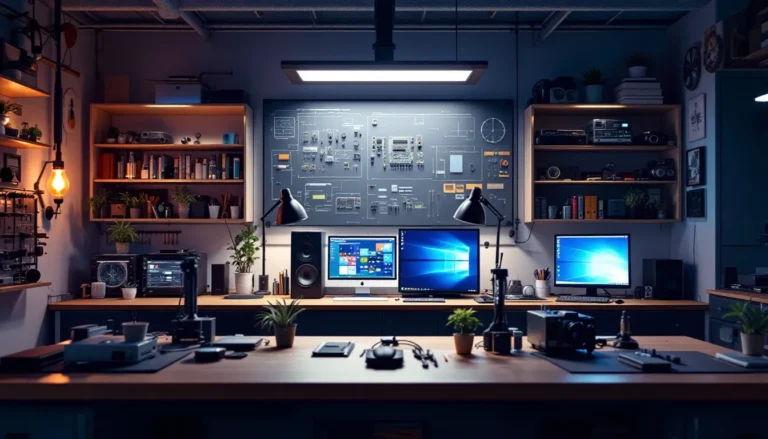
Your physical gaming space should reflect goblin energy: functional chaos, personal touches, and evidence of your many gaming interests living side-by-side.
Essential Gaming Accessories for the Goblin Aesthetic
Goblin gaming spaces aren’t minimalist battlestations, they’re lived-in, eclectic, and slightly cluttered. Start with the essentials: a comfortable chair (because you’ll be here a while), a desk with enough room for a drink, snacks, and whatever random gaming paraphernalia you’ve accumulated.
Lighting matters. RGB isn’t mandatory, but warm bias lighting or LED strips help create atmosphere for late-night sessions. Goblin gamers often prefer softer, warmer lighting over the harsh blue-white setups popular in competitive gaming spaces.
Collectibles belong on display. Figures, art books, special edition boxes, controller collections, if you bought it, show it. Floating shelves work great for this, keeping your hoard visible without eating desk space. The goal isn’t Instagram-perfect organization: it’s surrounding yourself with gaming stuff you genuinely love.
Multiple controllers and input devices reflect goblin flexibility. A solid mouse and mechanical keyboard for PC games, a couple of controllers for different consoles and emulation, maybe a fight stick you bought for one game and rarely use, all perfectly valid goblin accessories.
Organizing Your Game Collection the Goblin Way
Goblin organization follows its own logic. Alphabetical? By genre? By vibes? The answer is usually “yes, sort of, kind of.”
For physical games, visible storage works best. Open shelves beat closed cabinets because you want to see your collection. Seeing game spines triggers impulses: “Oh yeah, I bought that. Maybe tonight?”
Digital organization gets trickier with libraries sprawling across Steam, Epic, GOG, Xbox, PlayStation, and Switch. Many goblin gamers create categories or collections based on mood rather than genre: “Cozy Games,” “Chaos,” “Brain Off,” “Weekend Projects.” This beats trying to remember if that roguelike deckbuilder is technically strategy or card game.
Some embrace the chaos entirely, letting their library sit unsorted and just searching when inspiration strikes. That’s valid too. The launcher’s search bar exists for a reason.
For tracking what you own across platforms, tools like GOG Galaxy 2.0 aggregate multiple libraries into one interface. It won’t help you decide what to play, but at least you’ll see everything you’re ignoring in one place.
Goblin Gaming Across Different Platforms
Goblin gaming transcends platform loyalty. The real goblin move is owning the same game on multiple platforms “just in case.”
PC Gaming and Steam Libraries
PC is goblin gaming central, mainly because Steam sales have trained an entire generation to buy first and think later. The average Steam library size has ballooned to over 100 games per account, with completion rates sitting comfortably below 30%.
Steam’s features inadvertently encourage goblin behavior. The wishlist becomes a treasure map. The discovery queue feeds constant temptation. User reviews and curator recommendations send you down rabbit holes discovering games you never knew existed.
Mod support makes PC especially goblin-friendly. Why finish Skyrim when you can spend six hours installing 200 mods? That’s not procrastination, that’s curating your experience. The fact that your mod setup breaks and requires troubleshooting is just part of the charm.
Other PC platforms feed the hoard too. Epic’s weekly free games? Free treasure. GOG’s DRM-free classics? Preservation and collection building. Itch.io’s charity bundles? Supporting developers while adding 200 games to your library for $5.
Console Gaming for Goblin Players
Console gaming used to resist goblin tendencies, physical games cost money, shelf space was limited, and you actually had to finish or trade games to justify the next purchase. Digital storefronts and subscription services changed everything.
Xbox Game Pass might be the most goblin-friendly service ever created. Over 400 games for a flat monthly fee? That’s a treasure cave with a subscription door. Goblin gamers install twelve games, play three, and feel zero guilt because they didn’t individually purchase the nine they’re ignoring.
PlayStation Plus’s revamped tiers (2022) and the expanded catalog similarly enable hoarding behavior. Nintendo Switch presents unique goblin challenges, limited storage means you’re constantly deleting and redownloading games, creating a weird cycle of rediscovery as you forget what you own.
Physical console collecting remains strong among goblin gamers who appreciate the tangible aspect. Limited Run releases, collector’s editions with steelbooks, and retro cartridge hunting all scratch the acquisition itch.
Mobile Gaming and Quick Goblin Sessions
Mobile often gets dismissed by serious gamers, but it’s secretly perfect for goblin gaming. Mobile games fit the chaos, pick up for ten minutes, ignore for three weeks, reinstall, repeat.
Premium mobile games like Dead Cells (mobile port), Stardew Valley, and Slay the Spire offer console-quality experiences in your pocket. Goblin gamers often rebuy games they own elsewhere just to have the mobile version “for travel” (and then primarily play on the couch).
F2P gacha games are either perfect goblin games or dangerous traps, depending on your relationship with microtransactions. Collecting characters and logging in for events feeds goblin energy, but the predatory monetization can corrupt the pure joy of hoarding.
Apple Arcade and Google Play Pass function like Game Pass for mobile, flat fee, massive catalog, perfect for trying random games you’d never buy individually. Most subscribers have installed 30+ games and actively play maybe four.
Building Your Goblin Gaming Community
Goblin gaming thrives in community. Finding fellow hoarders who celebrate your chaotic approach rather than judging your completion rate makes the whole experience better.
Finding Fellow Goblin Gamers Online
Subreddits like r/patientgamers, r/gaming, and r/GameCollecting attract goblin gamers naturally. These communities celebrate playing games years after release, discussion backlog strategies (or lack thereof), and share the joy of discovery over FOMO.
Discord servers dedicated to specific games or general gaming often have channels where goblin energy flows freely. Look for communities that emphasize chill vibes over competitive play, those attract goblin gamers who’d rather explore weird builds than meta optimization.
Twitch and YouTube have embraced goblin content. Streamers doing “backlog roulette” streams where chat picks random library games, challenge runs with self-imposed chaos rules, or “goblin haul” videos showing off recent purchases all create spaces for goblin gamers to feel seen.
Several game guides and tips communities have sections dedicated to backlog management, collection showcasing, and relaxed approaches to gaming that align with goblin philosophy.
Sharing Your Hoard on Social Media
Goblin gamers love showing off collections, and social media makes it easy. Twitter threads showcasing Steam library stats, TikTok videos of physical game collections, Instagram posts of gaming setups, all valid goblin content.
Screenshots of library sizes and completion percentages used to be embarrassing. Now they’re bragging rights. “1,200 games owned, 127 completed” gets celebratory responses from fellow goblins who understand that the number on the left is the actual achievement.
Hashtags like #GoblinGaming, #BacklogProud, and #SteamLibrary help find your people. Posting about buying three games during a sale even though having 200 unplayed games doesn’t get judgment, it gets commiseration and recommendations for what else is on sale.
Some goblin gamers maintain spreadsheets or Notion databases tracking their collections across platforms, then share those as resources. This might seem counter to the chaos philosophy, but organizing your collection so you know what to ignore is peak goblin logic.
Common Goblin Gaming Mistakes to Avoid
Even goblin gaming has pitfalls. The philosophy works when it enhances enjoyment, but certain habits can tip into actual problems.
The biggest mistake is letting goblin gaming become compulsive buying even though financial strain. There’s a difference between joyful collection building and using purchases as unhealthy coping mechanisms. If game buying creates stress rather than relieving it, that’s when to reassess. The hobby should add to your life, not complicate it.
Another trap: buying games you’ll genuinely hate just because they’re cheap. Not every $2 Steam sale game deserves a spot in your library. Goblin gamers curate their collections based on interest, not just price. If you know you despise puzzle platformers, buying twelve of them because they’re 90% off isn’t goblin gaming, it’s just clutter.
Ignoring games you’re actually excited about because you’re paralyzed by choice also betrays the philosophy. Goblin gaming celebrates playing what you want, when you want. If decision paralysis keeps you from playing anything, you’re not goblin gaming, you’re just stuck. Sometimes the best goblin move is closing your eyes, pointing at your library, and playing whatever you land on.
Letting the backlog create genuine guilt or anxiety defeats the entire purpose. If looking at your unplayed games makes you feel bad, you’ve imported completionist pressure into a philosophy designed to reject it. The solution is reframing: your library isn’t assignments. It’s possibility.
Finally, avoid goblin elitism, judging people who do complete games or prefer focused playstyles. Goblin gaming is one valid approach among many. Some people love clearing their backlogs systematically or focusing on single-game mastery. That’s cool too. The goblin way isn’t superior: it’s just different.
Tips for Maximizing Your Goblin Gaming Experience
To fully embrace goblin gaming, adopt habits that enhance the chaotic joy while minimizing the downsides.
Set up a randomizer for your library. Several websites and tools let you input your Steam profile or manually add games, then randomly select one for you. When decision paralysis hits, let the dice decide. This removes pressure and often surfaces forgotten gems buried in your collection.
Create mood-based collections or playlists. Organize games by feeling rather than genre. Categories like “Sunday Morning Chill,” “Frustrated Energy,” or “Brain Off” help navigate your hoard intuitively. When you know you want something cozy, scrolling through a pre-selected list beats staring at your entire library.
Embrace the “two-hour rule.” Steam’s refund window is two hours. That’s also a good goblin gaming trial period. Play something for two hours. If it’s not clicking, drop it guilt-free. You gave it a fair shot. Time to see what else is in the cave.
Celebrate acquisitions as their own reward. When you buy a game, take a moment to appreciate the purchase. Read about it, watch a trailer, maybe even install it. That’s enough. If you play it later, great. If not, you still got value from the excitement of adding it to your collection.
Do seasonal library dives. Every few months, scroll through your entire collection (or at least a good chunk). You’ll rediscover games you forgot you owned, and sometimes the timing will finally be right for something that didn’t click before.
Balance goblin energy with focused play. Most goblin gamers actually do have a main game or two they’re actively playing while dabbling in everything else. Having one game you’re genuinely progressing in while hoarding and sampling others creates satisfying structure within the chaos.
Share your goblin moments. When you discover something great buried in your library, tell people. When you buy something impulsively and actually love it, recommend it. Goblin gaming culture thrives on these shared moments of chaos that somehow work out.
Use subscription services strategically. Services like Game Pass are goblin heaven, but don’t pay for every service simultaneously. Rotate them, a few months of Xbox Game Pass, then PlayStation Plus, then back to buying indie bundles on Steam. This keeps fresh games flowing without permanent subscription stacking.
Build a wishlist culture. Instead of buying everything immediately, wishlist aggressively and wait for sales. This creates a treasure map of future acquisitions and prevents impulse purchases you’ll genuinely regret. When sales hit, your wishlist guides goblin shopping efficiently.
Remember that completion doesn’t matter, but enjoyment does. The philosophy rejects forced completion, but if you’re not actually enjoying your goblin approach, something’s wrong. The goal is more fun, not different stress. Adjust your habits until goblin gaming feels like the right fit for how you actually want to spend your gaming time.
Conclusion
Goblin gaming isn’t just a meme, it’s a legitimate counter-movement to gaming culture’s increasing focus on optimization, completion, and FOMO-driven engagement. It represents a return to why most people started gaming in the first place: because games are fun, exploration is rewarding, and building a collection of experiences you love brings genuine satisfaction.
In 2026, as gaming becomes more expensive, more demanding of players’ time, and more saturated with live-service pressure, the goblin philosophy offers an alternative. Play what you want. Buy what interests you. Don’t finish anything you’re not enjoying. Let your backlog exist as proof that gaming still excites you enough to keep discovering new worlds.
Your Steam library doesn’t need a 100% completion rate to justify its existence. Your collection of physical games doesn’t need to be pristine and unplayed to have value. The seventeen games you started this month and the three you’re still thinking about all served their purpose: they gave you possibility, exploration, and the freedom to be chaotic in a world that demands too much structure everywhere else.
So embrace your inner goblin. Build your hoard. Play what sparks joy, ignore what doesn’t, and never apologize for the beautiful chaos of a library that’s more treasure cave than curated collection. That’s not gaming wrong, that’s goblin gaming exactly right.