
Kuromi, the mischievous Sanrio character with a rebellious edge, has officially invaded the gaming space. What started as niche fan art and custom mods has evolved into a legitimate market for Kuromi-branded and Kuromi-inspired gaming peripherals. Among the most popular? Gaming headsets that blend pastel goth aesthetics with competitive-grade audio.
Whether you’re grinding ranked matches or streaming cozy games, a Kuromi gaming headset lets you express your style without compromising on sound quality. But with options ranging from officially licensed products to DIY customizations, finding the right one can be tricky. This guide breaks down everything you need to know, from specs and features to where to buy and how to maintain your setup.
Key Takeaways
- A Kuromi gaming headset combines Sanrio’s rebellious character aesthetic with competitive-grade audio, available through officially licensed products, third-party themed options, and DIY customizations.
- Modern Kuromi gaming headsets now feature premium audio specs like 50mm neodymium drivers, 7.1 virtual surround sound, and noise-canceling mics that match mainstream esports headset performance.
- Top officially licensed options in 2026 include the Razer x Sanrio Kuromi Edition ($129.99), HyperX Cloud II Special Edition ($99.99), and SteelSeries Arctis Nova 3 Kuromi Collab ($79.99), each balancing style with proven audio platforms.
- Budget-friendly Kuromi-style alternatives like the EKSA E900 Pro ($39.99) and BENGOO G9000 ($29.99) capture the aesthetic without official branding, suitable for casual gamers prioritizing vibe over premium specs.
- Competitive gamers should prioritize technical specifications—driver size, microphone quality, spatial audio accuracy—over aesthetics alone, ensuring the Kuromi gaming headset supports their play style without sacrificing performance.
- Proper maintenance including weekly cushion cleaning, cable management care, and correct storage on stands preserves both the lifespan and visual appeal of your Kuromi gaming headset investment.
What Is a Kuromi Gaming Headset?
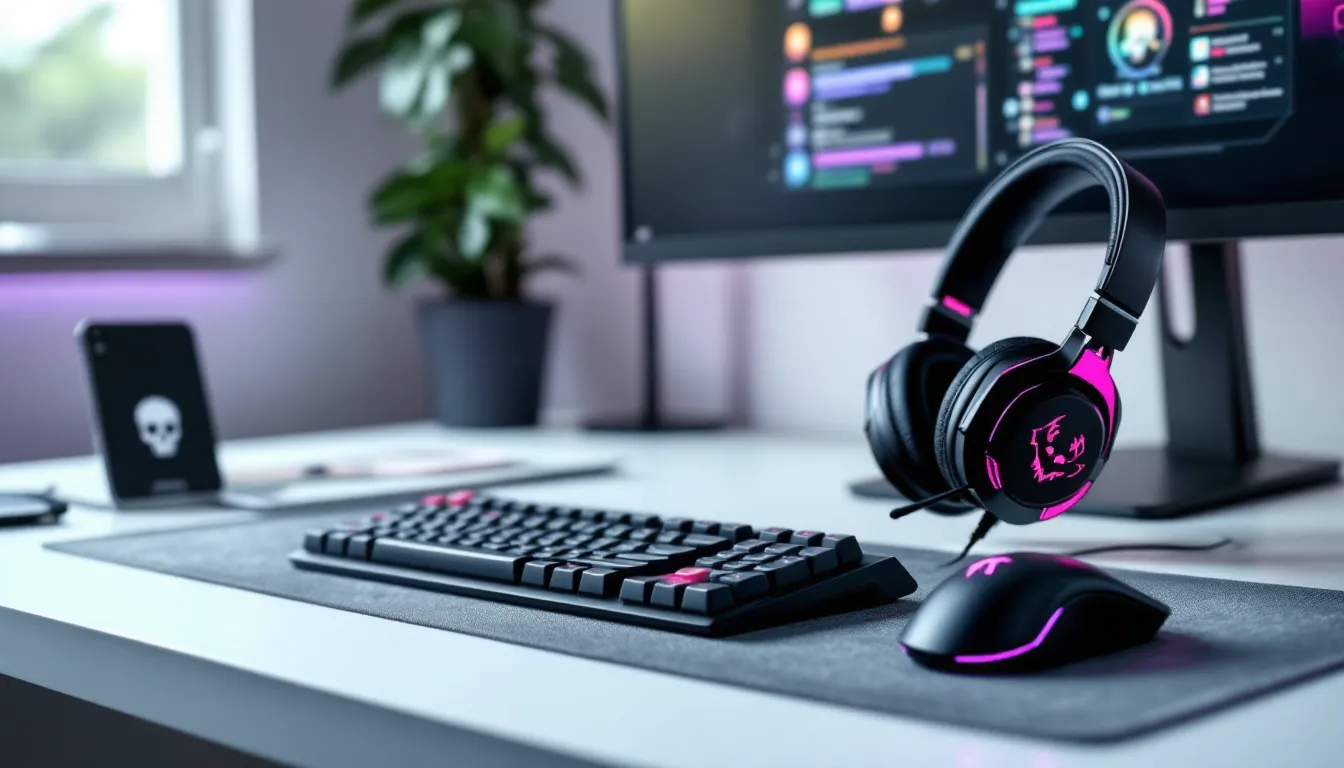
A Kuromi gaming headset refers to any gaming audio device that features the Sanrio character Kuromi’s signature design elements, think black and hot pink color schemes, devil’s tail motifs, skull iconography, and her trademark hood with a white rabbit skull. These headsets come in three main varieties.
First, there are officially licensed products produced in collaboration with Sanrio. These typically feature authentic Kuromi artwork, branding, and packaging, and they’re manufactured by recognized peripheral brands. Second, you’ll find third-party themed headsets that mimic Kuromi’s aesthetic without official licensing, these often use generic “pastel goth” or “punk bunny” branding to skirt copyright issues.
Finally, custom and DIY options let gamers apply Kuromi decals, skins, or 3D-printed accessories to existing headsets. This route offers the most flexibility but requires some effort and creativity. All three categories aim to deliver the same outcome: gaming gear that reflects Kuromi’s edgy-cute vibe while maintaining competitive audio performance.
Why Kuromi-Themed Gaming Gear Is Taking Over
The Rise of Sanrio in Gaming Culture
Sanrio characters have exploded in popularity among gamers over the past few years, with Kuromi leading the charge as the anti-hero alternative to Hello Kitty’s sweetness. Streaming platforms like Twitch and YouTube have amplified this trend, with creators decorating their setups in coordinated themes to strengthen their brand identity. Kuromi’s rebellious persona resonates particularly well with gamers who want to project confidence and individuality.
The crossover makes sense. Gaming culture has always embraced self-expression through avatars, skins, and cosmetics. Extending that to physical gear was inevitable. By 2025, Sanrio reported a 40% increase in collaborations with tech and gaming brands, with Kuromi-themed products outpacing even My Melody in certain demographics. Major peripheral manufacturers took notice, and the result is a growing catalog of officially licensed gear.
Aesthetic Gaming Without Sacrificing Performance
The key concern for competitive gamers? Whether cute gear can keep up with performance demands. The answer, in 2026, is a resounding yes, but only if you shop smart. Early Kuromi headsets from 2023-2024 often prioritized looks over specs, featuring mediocre drivers and flimsy build quality. These were fine for casual play but fell short in ranked environments where positional audio and clear comms matter.
Modern offerings have closed that gap. Premium Kuromi headsets now ship with 50mm neodymium drivers, virtual 7.1 surround sound, and detachable noise-canceling mics, specs that rival mainstream esports headsets. Independent testing from headset comparison sites confirms that well-designed themed peripherals no longer sacrifice performance for aesthetics. The challenge isn’t whether you can get competitive audio in a Kuromi package, it’s identifying which products deliver on that promise.
Top Kuromi Gaming Headsets Reviewed
Official Licensed Kuromi Headsets
As of March 2026, three officially licensed Kuromi gaming headsets dominate the market. Razer x Sanrio Kuromi Edition (launched Q4 2025) features Razer’s proven BlackShark V2 platform with custom Kuromi ear cup designs and a matching skull-print carrying case. It includes THX Spatial Audio, a HyperClear cardioid mic, and TriForce 50mm drivers. Retail price sits at $129.99, available on PC, PlayStation, Xbox, and Switch via 3.5mm or USB-C.
HyperX Cloud II Kuromi Special Edition released in February 2026, modifying their bestselling Cloud II with black-and-pink leatherette cushions, laser-etched Kuromi artwork on the aluminum frame, and a custom USB sound card with pink LED accents. Audio specs remain identical to the standard Cloud II, 7.1 virtual surround, 53mm drivers, and passive noise cancellation. Priced at $99.99, it’s a solid mid-tier option that prioritizes comfort.
SteelSeries Arctis Nova 3 Kuromi Collab is the budget-friendly entry at $79.99. It uses SteelSeries’ 360° Spatial Audio, a ClearCast Gen 2 mic, and lightweight AirWeave cushions. The Kuromi branding is more subtle, limited to the headband and a removable magnetic faceplate. Multi-platform compatible and designed for long sessions, though build quality feels less premium than the Razer or HyperX options.
DIY and Customizable Options
Not ready to commit to a full branded headset? DIY customization offers flexibility and lower cost. Companies like DecalGirl and MightySkins sell pre-cut vinyl wraps designed for popular headsets like the Logitech G Pro X, SteelSeries Arctis, and Corsair Virtuoso. You can find Kuromi-inspired designs (note: most avoid direct trademark use) for $15-$25. Application is straightforward, clean the surface, peel, stick, and smooth out bubbles.
3D-printed accessories add another layer of personalization. Etsy and independent makers offer Kuromi ear cup charms, headband toppers, and cable clips that attach via magnets or adhesive mounts. Some creators even design custom mic covers shaped like Kuromi’s hood or tail. These range from $10-$40 depending on complexity.
For the truly ambitious, full custom paint jobs are an option. Disassemble your existing headset, mask off drivers and electronics, then apply automotive-grade paint in Kuromi’s signature black and hot pink. Finish with clear coat for durability. This route requires patience and skill but delivers a one-of-a-kind result. Just be aware that disassembly typically voids manufacturer warranties.
Budget-Friendly Kuromi-Style Alternatives
If official licenses and custom work exceed your budget, several generic “pastel goth” headsets capture Kuromi’s vibe without the branding. EKSA E900 Pro ($39.99) features a black-and-pink color scheme, RGB lighting, and 50mm drivers with 7.1 virtual surround. Build quality is plastic-heavy, but reviews from technology review platforms note surprisingly decent audio for the price.
BENGOO G9000 ($29.99) is another ultra-budget option popular among younger gamers. It includes LED lighting, soft over-ear cushions, and multi-platform compatibility. Don’t expect premium sound staging or durability, but it’s adequate for casual gaming and content consumption.
Finally, ONIKUMA K5 Pro ($34.99) splits the difference with metal reinforcement in the headband, memory foam cushions, and a flip-to-mute mic. The black-and-pink aesthetic leans more generic gamer than specifically Kuromi, but with a few stickers or decals, it can approximate the look for a fraction of the cost.
Key Features to Look for in a Kuromi Gaming Headset
Audio Quality and Surround Sound Capabilities
Driver size matters, but it’s not everything. Most competitive gaming headsets use 50mm or 53mm drivers as the sweet spot for balanced frequency response. Smaller 40mm drivers can still deliver quality audio but may lack bass depth for immersive single-player games. Check the frequency response range, 20Hz to 20kHz covers the full human hearing spectrum, though many gaming headsets extend slightly beyond for enhanced bass.
Virtual 7.1 surround sound is standard in 2026, but implementation varies wildly. Software-based solutions like Windows Sonic, Dolby Atmos, or proprietary systems from Razer and SteelSeries create spatial audio through stereo drivers. True multi-driver surround headsets have fallen out of favor due to weight and cost. For competitive FPS players, stereo mode with good imaging often outperforms virtual surround anyway, you want precise directional cues, not exaggerated soundscapes.
Impedance and sensitivity affect volume and power requirements. Most gaming headsets sit around 32 ohms impedance, which works fine with standard PC, console, and mobile outputs. Higher impedance (60+ ohms) may require a DAC or amp but can offer cleaner audio reproduction. Sensitivity ratings above 100dB mean louder volume at lower power, useful for mobile gaming.
Microphone Performance for Team Communication
A detachable or flip-to-mute mic is non-negotiable for serious multiplayer gaming. Cardioid (unidirectional) pickup patterns focus on your voice while rejecting keyboard clatter and background noise. Omnidirectional mics pick up everything, fine for solo content creation, problematic for cluttered gaming spaces.
Frequency response for mics typically ranges from 100Hz to 10kHz. The lower end captures bass in your voice, while the upper range handles clarity and sibilance. Noise cancellation is a premium feature that filters out ambient sound, but quality varies. Test recordings in Discord or OBS before committing to competitive matches.
Boom length and flexibility matter more than most realize. The ideal mic position sits about 1-2 inches from your mouth at a 45-degree angle. Too close and you’ll get plosives (popping P and B sounds): too far and you’ll sound distant. Adjustable booms with memory wire or ball joints offer the best control.
Comfort and Build Quality for Long Gaming Sessions
Ear cup design splits into over-ear (circumaural) and on-ear (supra-aural). Over-ear is the gold standard for gaming, better passive noise isolation, less pressure on cartilage, and improved sound stage. On-ear designs save weight but cause fatigue after 60-90 minutes. Memory foam cushions with leatherette or fabric covers strike the best balance between comfort and durability.
Headband padding is equally critical. Steel or aluminum frames distribute weight better than pure plastic, but they add heft. Look for suspension designs (like SteelSeries’ ski-goggle style) that self-adjust to head size without manual tweaking. Clamping force should feel snug without creating hotspots, if you’re adjusting the headset every 20 minutes, it’s too tight.
Cable management often gets overlooked until it becomes a problem. Braided cables resist tangling and last longer than rubber-coated options. Inline volume and mute controls beat fumbling with software mid-match. Wireless models eliminate cables entirely but introduce latency and battery management. In 2026, quality wireless headsets achieve sub-20ms latency via 2.4GHz dongles, competitive enough for most scenarios.
Compatibility Across PC, Console, and Mobile
Most Kuromi gaming headsets use 3.5mm analog connections for universal compatibility. This works on PC, PlayStation 4/5, Xbox One/Series, Switch, and mobile devices, though audio quality depends on the device’s onboard sound processing. For PC, a USB connection (often with an included sound card or DAC) can deliver better audio and enable software features like EQ tuning and surround sound.
Xbox compatibility deserves special attention. Microsoft uses proprietary audio protocols, so not all headsets work without adapters. Check for explicit Xbox certification or use the Xbox Wireless Adapter for Windows if you’re bouncing between PC and console. PlayStation and Nintendo are more forgiving with standard 3.5mm or USB-C connections.
Bluetooth support is rare in dedicated gaming headsets due to latency issues (typically 100-300ms), but some hybrid models from gaming hardware reviewers include dual-mode connectivity, 2.4GHz wireless for gaming, Bluetooth for music and calls. This flexibility suits gamers who want one headset for all devices.
How to Choose the Right Kuromi Headset for Your Gaming Setup
Matching Your Gaming Platform and Needs
Start by identifying where you’ll use the headset most. PC gamers have the most options and benefit from USB connectivity, software customization (EQ, surround sound profiles, RGB lighting sync), and higher-end audio features. If you’re streaming or creating content, prioritize mic quality and detachable booms so you can upgrade to standalone mics later.
Console players should verify compatibility first, especially Xbox users. Wired 3.5mm connections simplify setup and eliminate battery anxiety during long sessions. PlayStation 5’s Tempest 3D Audio works with any stereo headset, so you don’t need console-specific branding to get spatial audio. Switch players face the most limitations due to handheld mode: lightweight headsets with low clamping force prevent neck strain during portable play.
Mobile and cloud gamers need compact, efficient headsets that don’t drain device batteries. Low impedance (32 ohms or less) ensures adequate volume without an amp. Foldable designs improve portability, and in-line controls beat reaching for your phone mid-match in Call of Duty Mobile or Genshin Impact.
Genre also influences priorities. FPS players value accurate positional audio above all, footsteps, reloads, and directional cues win or lose rounds. Stereo mode with excellent imaging often beats flashy virtual surround. MMO and MOBA players need clear comms and long-session comfort since matches can run 40+ minutes. Story-driven single-player gamers benefit from rich bass and wide soundscapes to appreciate music and environmental design.
Balancing Style and Competitive Performance
Here’s the reality check: a Kuromi headset won’t make you rank up, but it also won’t hold you back if you choose wisely. The key is matching aesthetic preference with actual specs that support your play style. If you’re a casual gamer who values comfort and vibe over millisecond-perfect audio cues, budget and mid-tier options work great. You’re not losing games because your headset costs $40 instead of $200.
Competitive players should prioritize technical specs first, aesthetic second. Check reviews for sound stage accuracy, mic clarity, and build durability, not just how cute the packaging is. The good news? Several officially licensed Kuromi headsets in 2026 use proven platforms (BlackShark V2, Cloud II) that already excel in competitive environments. You’re essentially getting established performance with custom styling.
One compromise to consider: removable faceplates or modular designs. Some headsets let you swap aesthetic elements without changing core components. This means you can go full Kuromi for streaming or casual play, then swap to neutral plates for tournament settings where you want a low-profile look.
Customizing Your Kuromi Gaming Headset
Customization extends beyond initial purchase. Replacement ear cushions from brands like Wicked Cushions or Brainwavz upgrade comfort and inject fresh style. They offer memory foam, cooling gel, and velour options in various colors, easy to find black and pink combos that match Kuromi’s palette. Installation is typically tool-free: cushions snap or stretch over existing cups.
Cable management improves both aesthetics and functionality. Braided cable sleeves in hot pink or black add visual cohesion while protecting wires from wear. Cable clips shaped like Kuromi’s skull or tail (available on Etsy) keep your desk tidy and on-theme. For wireless headsets, custom battery packs or charging docks with 3D-printed Kuromi stands turn charging into a display feature.
RGB lighting customization applies to headsets with built-in LEDs. Use manufacturer software to program color cycles matching Kuromi’s black-pink-white scheme. Some advanced users sync lighting with in-game events (health levels, ability cooldowns) via third-party tools like OpenRGB or SignalRGB.
Software EQ tuning lets you dial in audio to personal preference. Most gaming headset software includes presets (FPS, Music, Movie), but creating a custom profile takes 15 minutes and yields better results. Boost mid-range frequencies (500Hz-2kHz) for clearer voice chat, or emphasize bass (60-250Hz) for immersive single-player games. Save profiles per game or scenario.
Finally, protective cases and stands preserve your investment. Hard-shell cases with custom foam cutouts protect headsets during transport to LANs or conventions. Desktop stands (especially Kuromi-themed designs with her silhouette or iconography) keep headsets dust-free and prevent headband deformation from being tossed on desks.
Where to Buy Kuromi Gaming Headsets
Online Retailers and Official Stores
For officially licensed products, Razer.com, HyperX.com, and SteelSeries.com ship directly and often offer exclusive colorways or bundles not available through third-party retailers. Official stores also handle warranty claims more smoothly. Amazon and Newegg carry most major Kuromi headsets with faster shipping options, though availability varies by region.
Sanrio’s official store occasionally stocks licensed gaming peripherals during limited runs. Sign up for email alerts since these drops sell out quickly, especially special editions with bonus items like matching mouse pads or keycaps. Target and Hot Topic have started carrying select gaming gear in their Sanrio sections, though selection leans toward lower-priced options.
For customizable options, Etsy remains the hub for independent creators selling decals, 3D-printed accessories, and custom paint services. Quality varies widely: check seller reviews and request photos of previous work before commissioning custom jobs. Redbubble and Society6 offer print-on-demand designs that work as inspiration for DIY projects, though they don’t sell actual headset modifications.
Import Options and Limited Edition Releases
Japan often receives exclusive Kuromi gaming gear months before international release, or in some cases, never exported at all. CDJapan, PlayAsia, and AmiAmi specialize in importing Japanese electronics and peripherals. Expect to pay 15-30% more due to shipping and import fees, and factor in 2-4 weeks delivery.
Proxy services like Buyee or FromJapan let you purchase from Japanese retailers (Rakuten, Yahoo. Auctions Japan) that don’t ship internationally. This opens access to used market deals and region-exclusive limited editions. Be aware of voltage differences if buying powered accessories, Japan uses 100V outlets vs. 110-120V in North America.
Limited edition releases require vigilance. Follow official brand accounts on Twitter/X and Discord servers dedicated to gaming gear drops. Tools like Distill.io can monitor product pages for stock changes and send instant alerts. Join community groups on Reddit (r/GamingHeadsets) or Discord where members share restock info and import deals in real-time.
Caring for Your Kuromi Gaming Headset
Regular cleaning extends lifespan and maintains hygiene, especially important for headsets used during sweaty ranked grinds. Ear cushions accumulate oils, dust, and dead skin. Remove them weekly and wipe with a slightly damp microfiber cloth. For deeper cleaning, use isopropyl alcohol (70% solution) on a cloth, never spray directly onto the headset. Fabric cushions can often be hand-washed with mild detergent: check manufacturer guidelines first.
Headband padding needs similar attention. Leather and leatherette crack when dried out, so apply leather conditioner every 2-3 months. For fabric headbands, lint rollers remove dust and hair between deeper cleans. If your Kuromi headset has printed or painted designs, avoid harsh chemicals that might fade or peel artwork. Gentle soap and water work for most decorative elements.
Cable maintenance prevents the most common headset failures. Avoid wrapping cables tightly around the headset when storing, this stresses internal wiring at connection points. Use loose coils or velcro ties instead. Inspect connectors monthly for bent pins or corrosion. A tiny bit of electrical contact cleaner on 3.5mm or USB plugs improves connectivity and prevents audio dropouts.
For wireless models, battery care matters. Avoid draining batteries to zero repeatedly: try to recharge around 20-30% remaining. Store wireless headsets partially charged (40-60%) if you won’t use them for weeks. Battery degradation is inevitable, but proper management extends useful life from 2-3 years to 4-5 years.
Store headsets on proper stands or hooks, not draped over monitor edges where they can fall or get crushed. If you’re transporting your setup to LANs or friends’ houses, use a protective case. Hard-shell cases prevent crushing, while padded pouches guard against scratches and minor impacts. Keep headsets away from direct sunlight: UV exposure fades colors and weakens plastics over time, which is particularly noticeable on custom Kuromi artwork.
Conclusion
Kuromi gaming headsets prove you don’t have to choose between self-expression and competitive performance. Whether you go with an officially licensed model from Razer or HyperX, customize an existing headset with decals and mods, or hunt down budget alternatives with the right aesthetic, options exist at every price point. The key is identifying what matters most for your gaming style, tournament-grade audio, long-session comfort, or just a setup that makes you smile when you sit down to play.
As gaming culture continues embracing personality and individuality, expect even more collaborations between peripheral brands and pop culture properties. For now, Kuromi stands as the perfect intersection of cute and competitive, rebellious and refined. Build your setup around gear that reflects who you are, maintain it properly, and let the headshots speak for themselves.